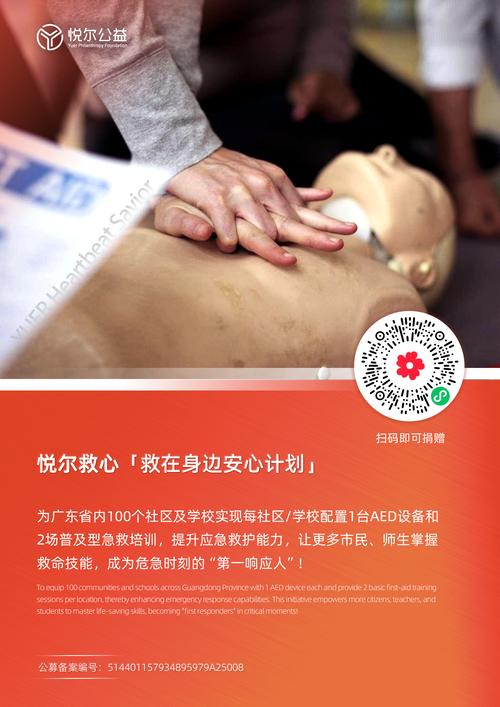
How much more complicated does the same AED question become at city scale?
During a trip to Shenzhen in the summer of 2026, I had the opportunity to visit the Yueer Public Welfare Foundation and speak with its leadership about AEDs and public first aid.
Most of the questions I had been thinking about were school-based: Can students perform CPR? Where are the AEDs? How do we get classmates interested in training? This conversation showed me for the first time how much more complicated the same questions become at the scale of a city.
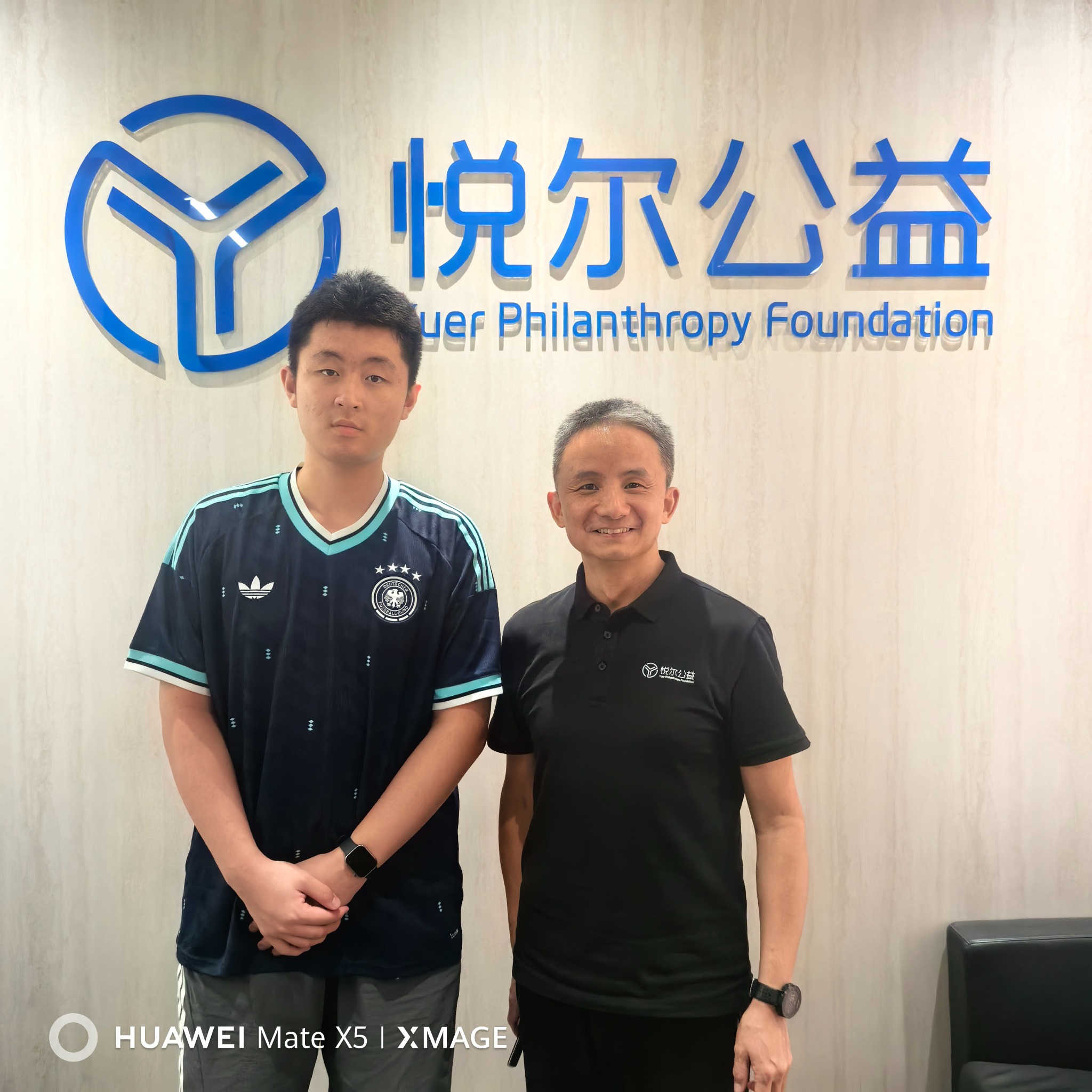
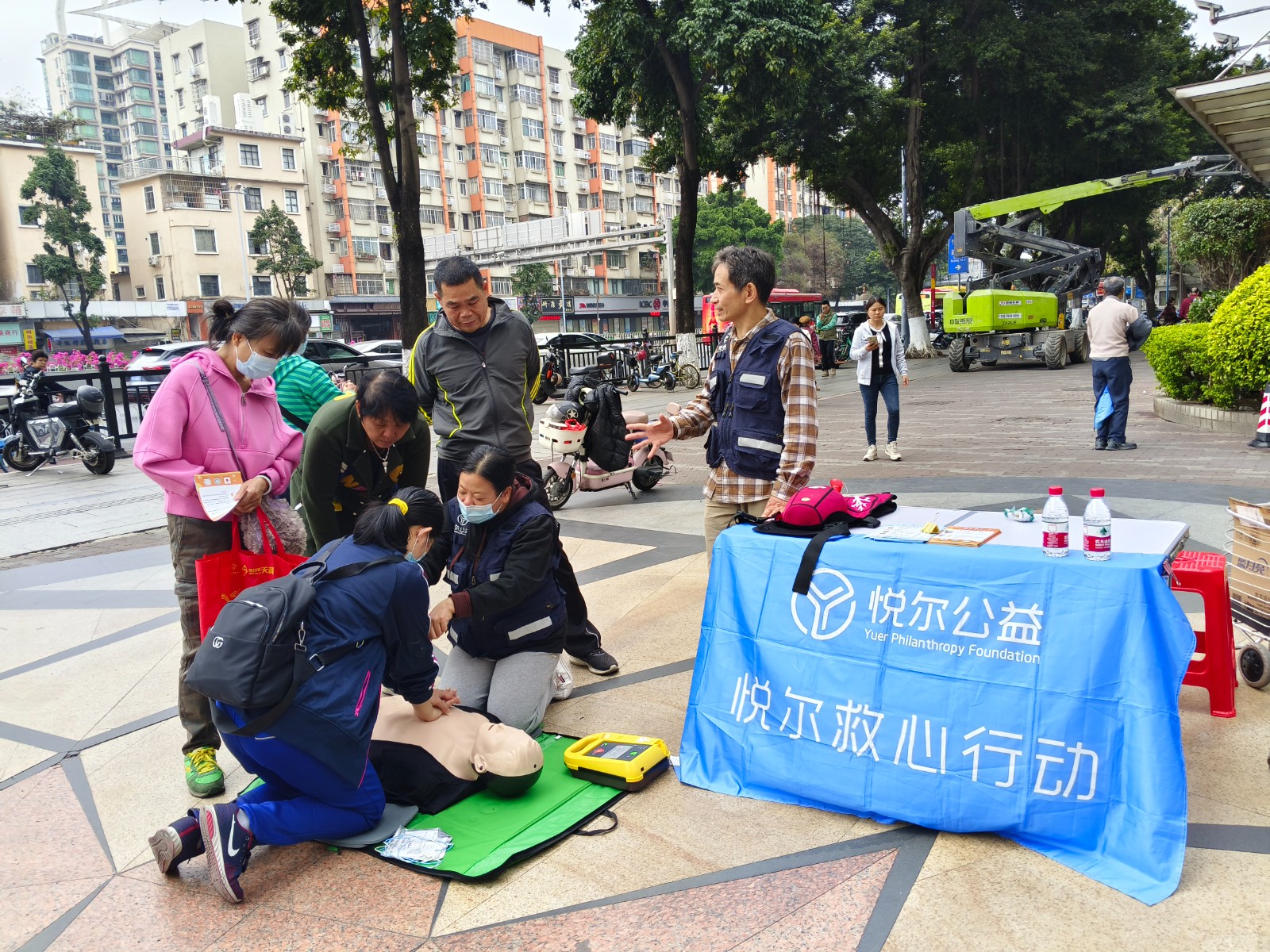
Installing an AED is only the first step. How is it maintained? Who checks it? How can ordinary people find it? In an emergency, how can the nearest people be alerted? These were questions I had not seriously considered before.
I also asked about AED adoption, maintenance, and cooperation between nonprofits and government. Many of the answers were not simple yes-or-no answers. That made me realize that public-health problems usually cannot be solved by one person or one organization alone.
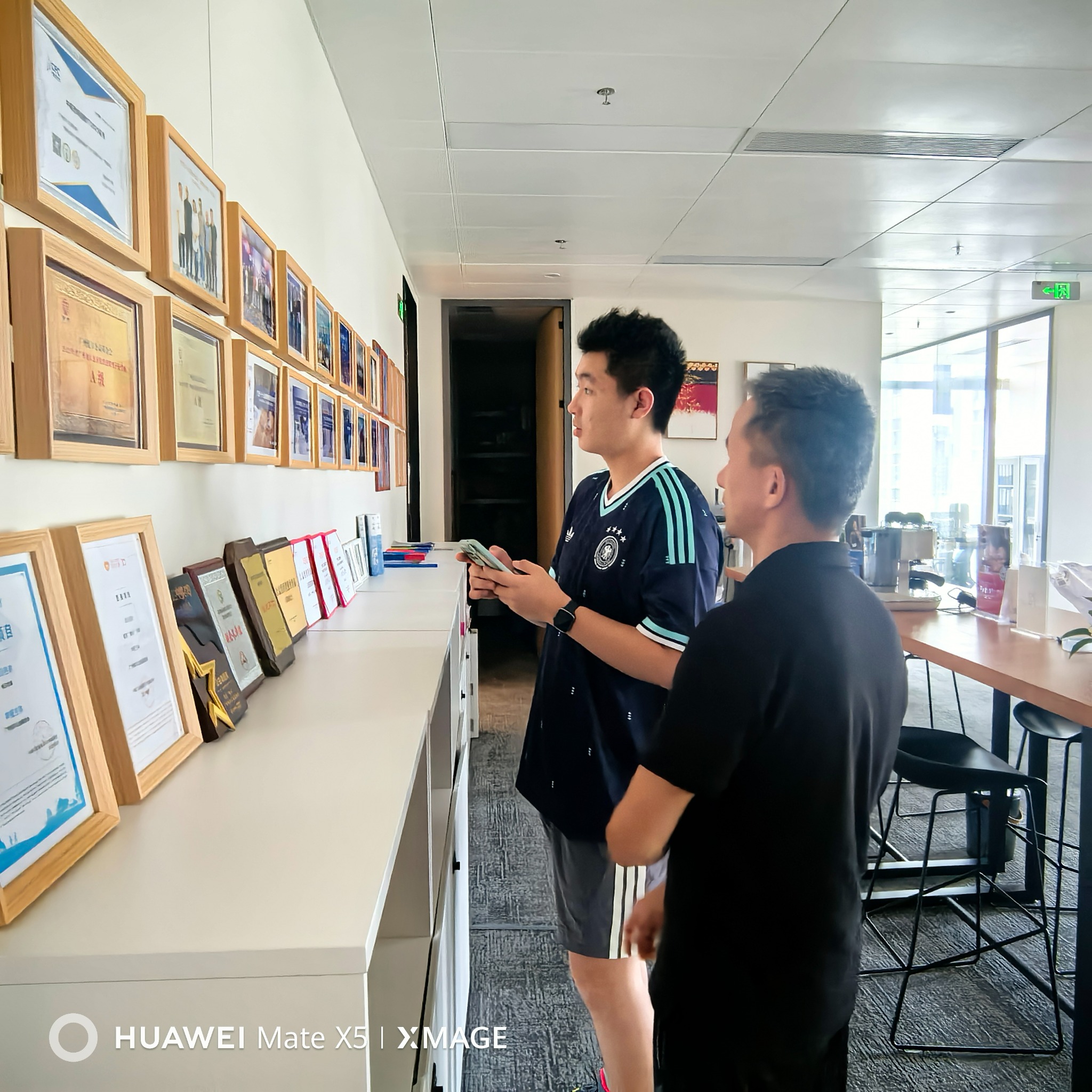
The visit did not make me feel that I had somehow “entered the professional nonprofit world.” Instead, it made me more aware of how limited a high-school student’s role can be.
Knowing those limits is not a bad thing. It made me think about how student projects can connect more responsibly with professionals, organizations, and public resources.
For me, the most valuable part of the Shenzhen visit was not adding another “partner organization.” It was seeing, in a concrete way, how much professional work exists beyond campus that I still do not understand. What I can do now is keep learning, keep asking questions, and act within the limits of what I can genuinely contribute.