Beyond injury, what does rehabilitation really depend on?
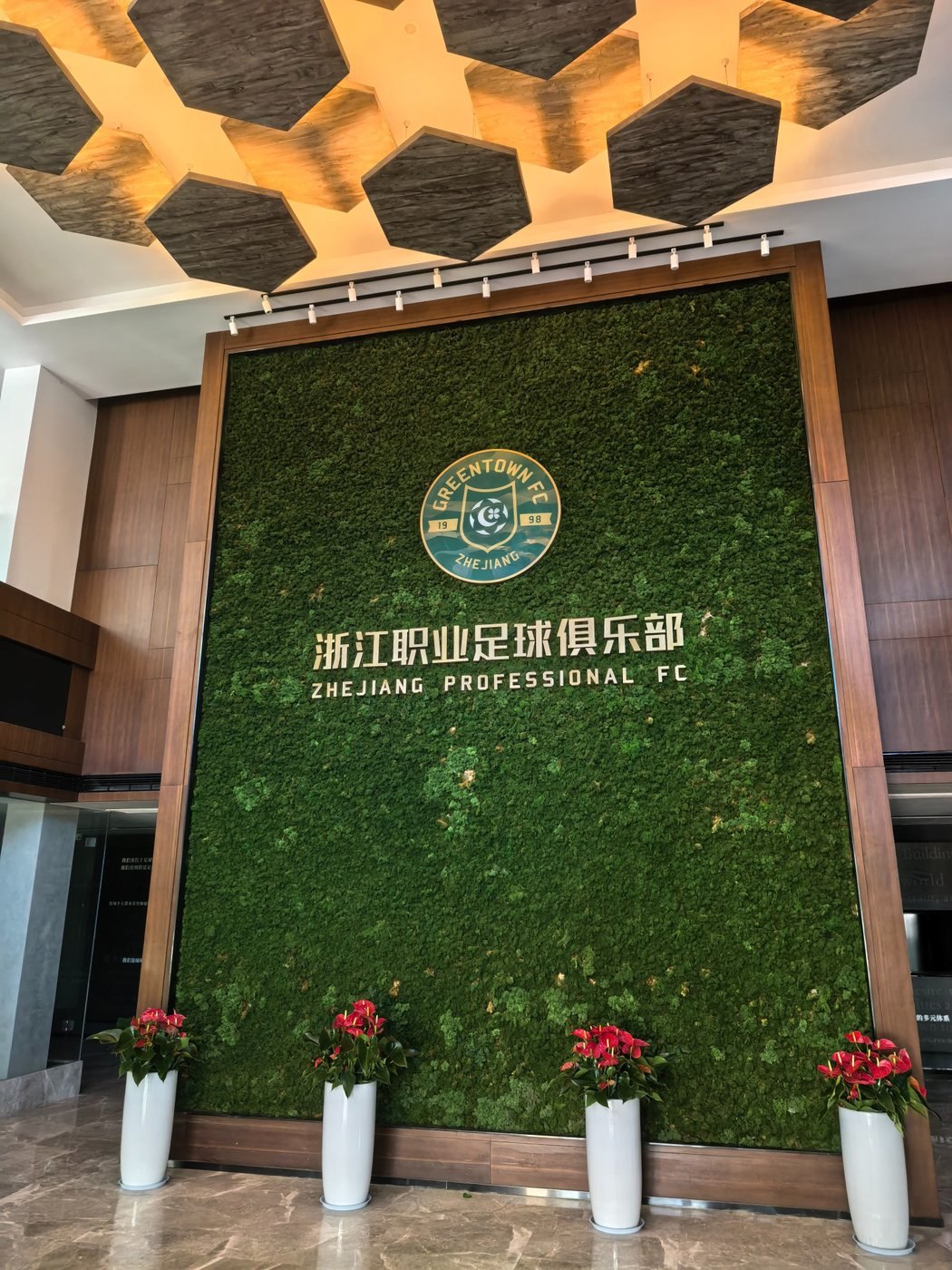
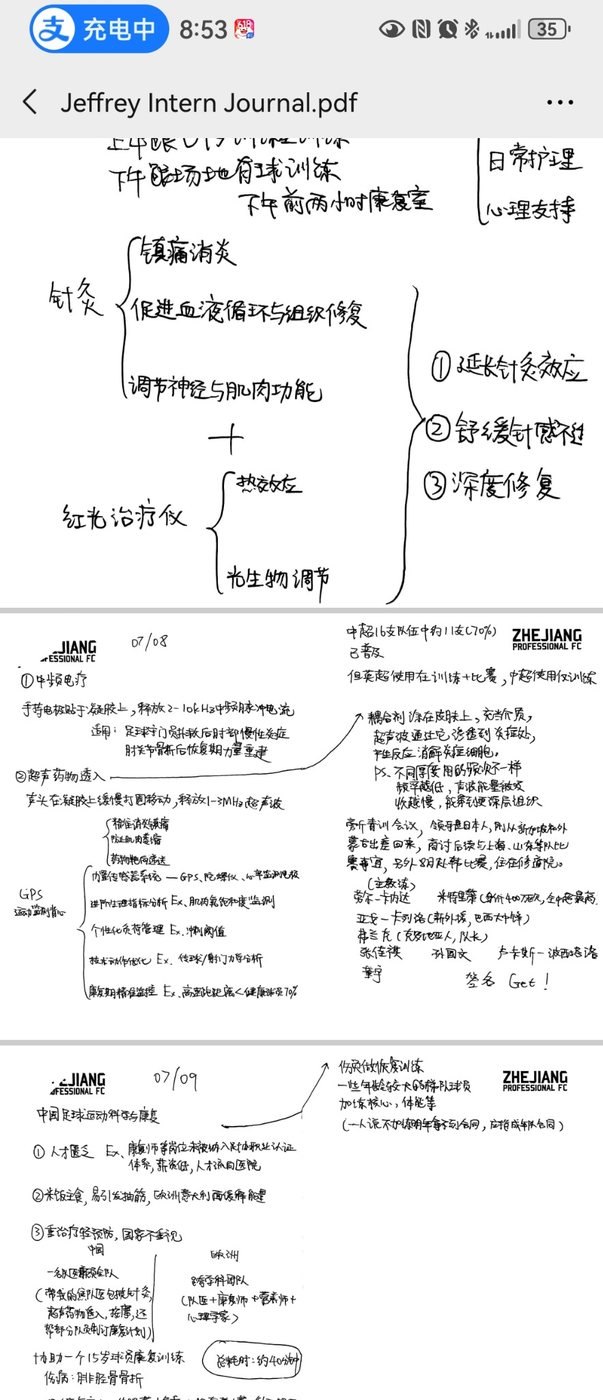
In the summer of 2025, I spent about two weeks observing at Zhejiang Professional Football Club. Rather than calling it a “study of China’s professional football rehabilitation system,” it was really my first chance to see what happens behind the scenes in professional athletes’ daily training and recovery.
I used to think sports rehabilitation was simple: an athlete gets injured, receives treatment, and returns to the field. Inside a professional club, I realized that much of the work happens before an injury. Training load, heart rate, running distance, sleep, recovery, stretching, and daily physical condition can all affect whether a player is ready for intense training the next day. Under professional supervision, I also observed part of a youth player’s rehabilitation process.
It was the first time I understood that sports health is not something that happens only in a rehabilitation room.
01 Data follows the training
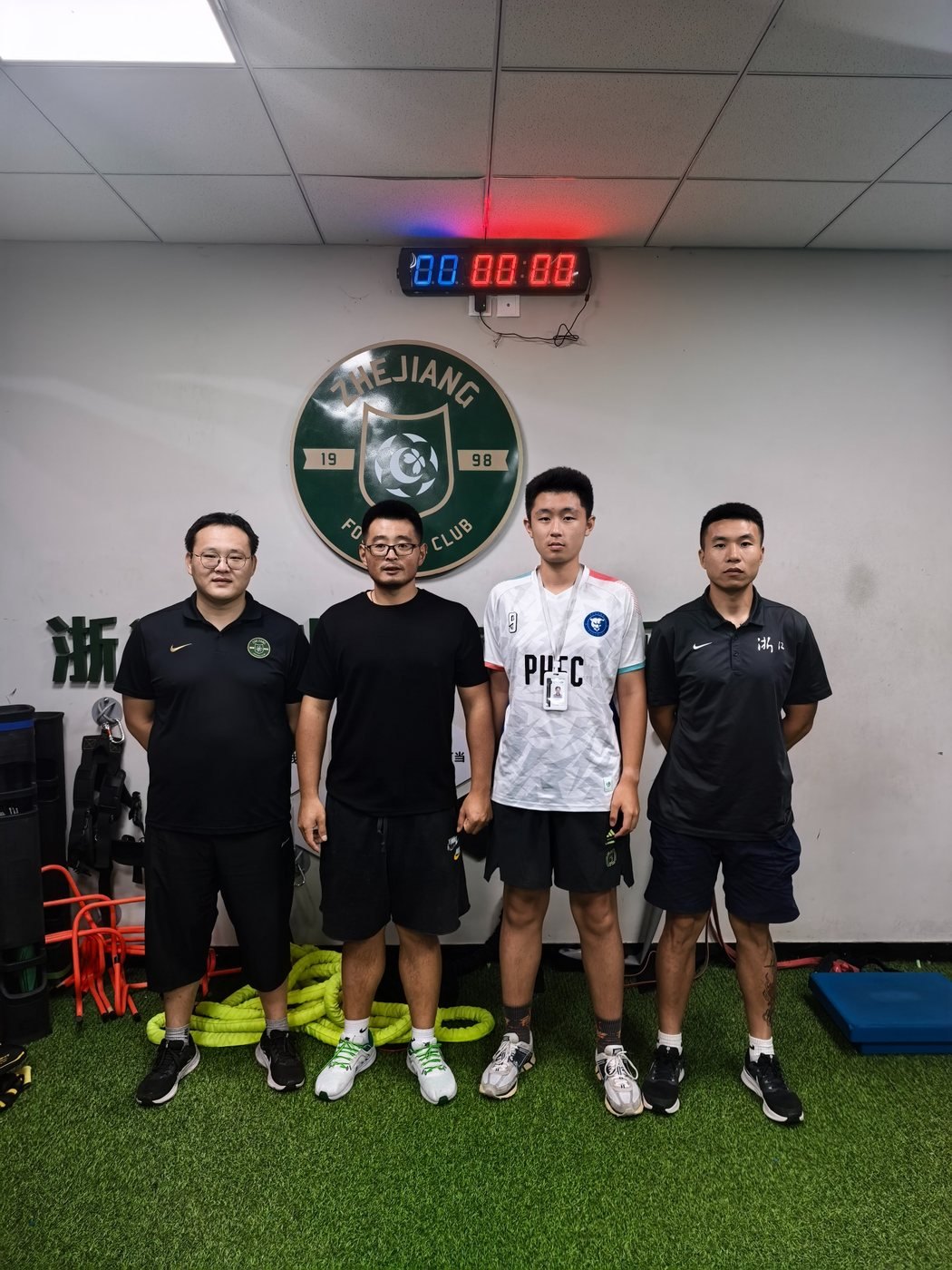
During training, players use GPS and heart-rate monitoring devices. Afterward, staff can review running distance, sprinting, and training load. When I played, I would simply think “I’m exhausted today” or “I feel great.” In a professional team, I saw for the first time how those subjective feelings can also be recorded and understood through data.
02 Rehabilitation is not one single method
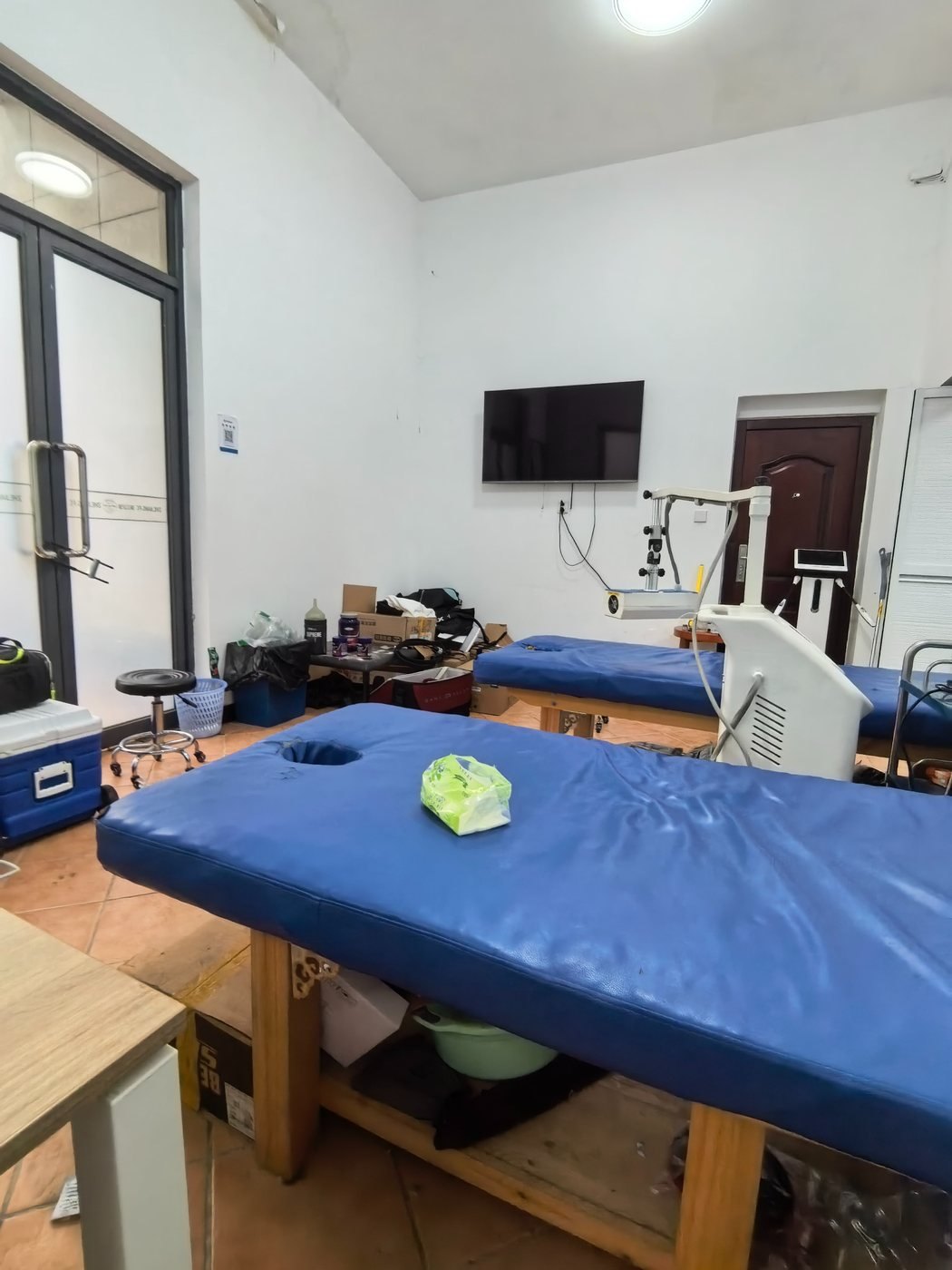
In the rehabilitation area, I saw different treatment and recovery tools and observed how professionals adjusted plans to each athlete’s condition. I began to understand that there is no single answer that works for everyone. Different injuries, stages, and athletes may all require different approaches.
03 New questions I began to ask
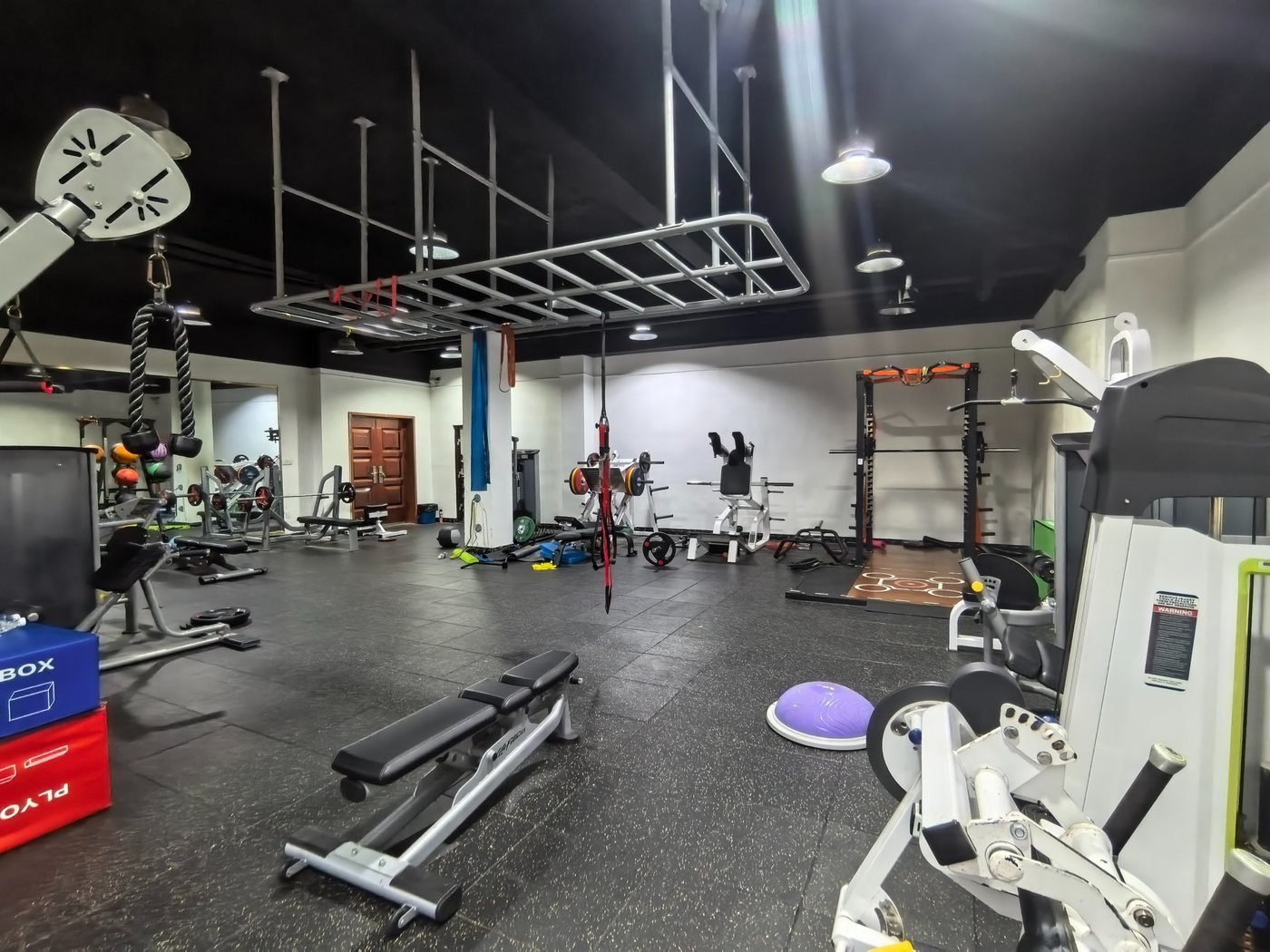
I originally wanted to compare the “gap” between Chinese clubs and top European clubs. Once I was there, I realized that two weeks of observation was nowhere near enough to answer such a large question. I had only seen part of one club. Instead, the experience gave me better questions: How do we decide that a player has truly recovered? How much can data help prevent injuries? How should nutrition, sleep, and mental state fit into athlete health management? Do young athletes receive enough systematic support?
04 Summer 2026: a second look inside a professional club
In the summer of 2026, I visited the rehabilitation base of Shenzhen Peng City Football Club. It was my first time seeing an ice bath and an irregular rehabilitation table-tennis setup up close. A rehabilitation specialist patiently explained that these facilities are not there simply to look advanced; each is meant to support a specific need in fatigue recovery, movement control, reaction training, or return from injury.
Compared with my visit to Zhejiang the year before, Shenzhen gave me a second point of reference. I began to see that professional clubs do not all approach rehabilitation in the same way, and that equipment is only the most visible part of the system.
05 Beyond equipment, I started noticing the people
After two visits, I began forming a still very tentative impression: the level of sports rehabilitation across Chinese professional football clubs is not uniform. At least in the two settings I saw, the most important difference did not seem to be whether a club owned advanced equipment. It was whether it had enough specialized, stable rehabilitation professionals who truly understood the rhythm and demands of professional football.
Equipment can be purchased. Professional judgment, accumulated experience, and coordination among rehabilitation specialists, coaches, doctors, and conditioning staff take much longer to build. Two clubs cannot represent an entire industry, but the visits changed the question I ask: not only “What equipment does a club have?” but “Who is using it, and do they know when and how it should be used?”
I used to focus on what happened on the pitch. After visiting two professional clubs, I became more interested in the work that spectators rarely see. From training data and recovery facilities to the professionals who understand athletes, I now see health management less as a single step and more as a capability that takes years to build. Two visits are still nowhere near enough to make a conclusion about “China’s football rehabilitation system,” but they have given me better questions to keep asking.